How to Make Your Commute Less Stressful: Tips for a Smoother, Calmer Drive

19 September 2025
For many people, commuting is a part of daily life, as unavoidable as jury duty or taxes. Whether you're stuck in bumper-to-bumper traffic or dealing with unpredictable drivers, the daily grind can be frustrating, exhausting, and even bad for your health. You read that right: studies show that long, stressful commutes can increase anxiety and negatively impact your overall health and well-being. Thankfully, your commute doesn’t have to be a daily struggle. With a few mindful changes, you can turn your drive into a more peaceful, even enjoyable, part of your day. In this guide, we’ll explore practical steps to take to make your commute less stressful and discuss why it’s important to de-stress your drives.
Why Reducing Stress on The Road Matters
Before we dive into our tips, let’s talk about why it’s so important to minimize stress while driving.
1. Reducing Stress Improves Your Mental Health
A stressful commute can set a negative tone for the rest of your day. If you start your morning feeling frustrated and anxious, it can spill over into your work and personal life. On the other hand, a relaxed commute can help you begin your day with a clear and positive mindset, setting you up for a better day.
2. It Enhances Road Safety
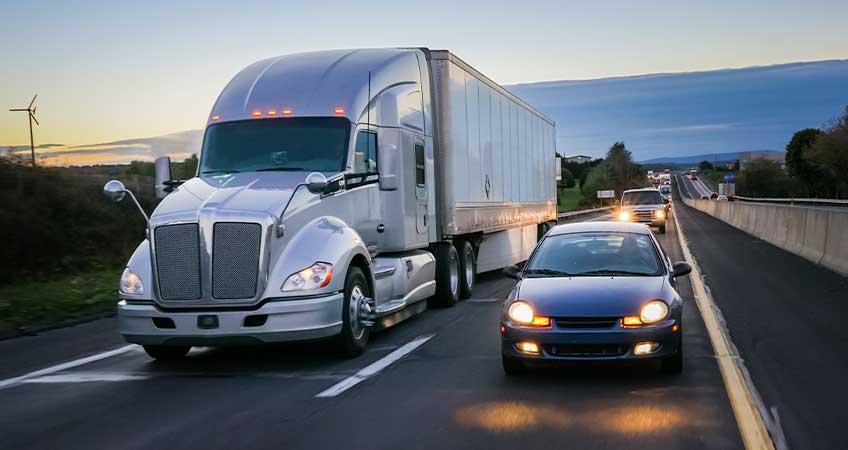
Stress and frustration can be part of a slippery slope leading to road rage, making you a more aggressive driver, leading to risky behaviors like tailgating, speeding, or reckless driving. By keeping your commute calm, you’ll not only protect yourself but also contribute to safer roads for everyone.
3. Protecting Your Physical Health
Stress, whether from commuting or otherwise, has been shown to have devastating effects on not only our mental health, but also our physical health. Studies have shown that high-stress levels lead to high cortisol levels, which can negatively impact our bodies. While we need some cortisol to function, an excess level of cortisol can lead to weight gain, high blood sugar, blood pressure, tension headaches, and even diabetes and heart disease, creating a feedback loop that continues to negatively impact your health. Stress from commuting contributes to higher cortisol levels, which can ultimately result in health issues down the line.
4. Saves You Money on Fuel and Maintenance
Aggressive driving—like speeding and hard braking—burns more fuel and wears down your car faster. A smooth, stress-free driving style can improve fuel efficiency and reduce maintenance costs over time. Now that we’ve covered why it’s essential to reduce stress while commuting, let’s get into practical strategies you can employ to make your drive more enjoyable.
Tips to Make Your Commute Less Stressful
1. Plan For the Unexpected
Traffic jams, road closures, accidents, or anything that deviates from your norm raises stress levels. Avoid surprises by checking traffic conditions before you leave. While there’s no way you can account for every possible thing that could go wrong on your commute, there are a few things that you can do to minimize your stress in the event that something does go wrong.
Here’s How to Do It:
1. Use apps like Google Maps or Waze to check for real-time traffic updates and adjust your route accordingly.
2. Consider alternative routes to avoid traffic.
3. If possible, think about shifting your schedule around to avoid peak traffic hours.
2. Run a Little Ear
Running late makes every red light and slow driver feel unbearable. It’s a good idea to give yourself a little extra time to get to your destination so that small delays don’t throw off your schedule.
Here’s How to Do It:
1. Aim to leave 10–15 minutes earlier than usual to account for the unexpected
2. Factor in time to look for parking if your destination is in a busy area.
3. If you get there early, use the extra time to grab a coffee or unwind before your next task.
3. Create a Relaxing Playlist or Listen to Podcasts
The right audio track can completely change your mood during a drive. Instead of stewing in frustrating traffic, let music, audiobooks, or podcasts distract and entertain you!
Here’s How to Do It:
1. Create a playlist of calming or upbeat music to help bring up your mood.
2. Take your commute as an opportunity to try listening to a podcast on a topic you enjoy.
3. Consider picking up an audiobook—your commute is the perfect time to read something new.
4. Try Mindfulness
Instead of getting irritated by other drivers, use your commute as an opportunity to practice a little bit of meditation. DON’T take your eyes off the road just yet—we mean mindfulness meditation. Mindfulness meditation is a kind of meditation that you can practice with your eyes on the road by slowing down and focusing on the present moment. This practice has many benefits aside from reducing stress, like lowering your heart rate, improving immunity, and even helping you get a better night’s sleep!
Here’s How to Do It:
1. Take deep breaths when you start feeling stressed.
2. Observe your surroundings instead of fixating on the speed of traffic. Take a second to notice how your body feels, what thoughts are going through your mind—don’t dive into these things, just witness them without judgement.
3. Let go of the urge to react aggressively to bad drivers.
5. Get Comfortable
A poor seating position can lead to back pain, stiffness, and general discomfort, making an already stressful drive even worse. Before starting off on your drive, give yourself a minute to tinker with your seating position to enhance your comfort.
Here’s How to Do It:
1. Adjust your seat so that your back is fully supported and your legs are at a comfortable angle to the pedals.
2. Use a lumbar cushion if your lower back needs extra support.
3. Position your mirrors to reduce blind spots and avoid unnecessary head movements.
6. Use Hands-Free Features to Reduce Distractions
Fumbling with your phone, GPS, or music while driving not only increases your stress, but it also puts you and greater risk of accidents. Set up hands-free controls before you start your drive.
Here’s How to Do It:
1. Use Bluetooth or voice commands for phone calls and navigation.
2. Set up your playlist or podcast before leaving so you’re not distracted on the road
3. If you’re getting constant notifications, try putting your phone on Do Not Disturb mode.
7. Skip the Driver’s Seat
Driving alone every day can get lonely. If at all possible, try incorporating carpooling or using public transportation to mix things up and take the pressure off yourself. Not only does it help with stress, but it’s great for the environment, too!
Here’s How to Do It:
1. Find out if any coworkers or neighbors have a similar commute and arrange a carpool. Consider trading off driving responsibilities so no one person feels like they’re doing all the work.
2. If public transport is an option, use the commute to read, relax, or catch up with friends instead of stressing about traffic.
8. Keep Your Car Clean and Organized
A messy car can contribute to overall feelings of chaos and stress. Keeping it tidy creates a more calming environment.
Here’s How to Do It:
1. Regularly clear out clutter from your seats and floor.
2. Keep essential items (sunglasses, phone charger, water bottle) in designated spots.
3. Consider using an air freshener with a calming scent like lavender, frankincense, eucalyptus, neroli, sandalwood, or rose.
9. Get to Know Your Insurance
We all know that insurance is required by law, but…do you even know what you’re paying for? Even if you’re a stellar driver, it’s still a good idea to get acquainted with your insurance policies. Knowing exactly what your policy covers and who to contact in the event of an incident can go a long way to helping you keep cool in stressful situations.
Here's How to Do it:
1. If you don’t know anything about the kind of coverage you have, start by giving your insurance agent a call.
2. Don’t be afraid to ask questions—if there’s something about your policy that you don’t understand, feel free to ask for clarification until you get it.
3. Phone shy? We have a ton of free resources on our website and blog to help you make sense of insurance and everything that goes into keeping you safe on the road.
10. Accept That Traffic Is Out of Your Control
At the end of the day, some things about your commute—like traffic, construction, and reckless drivers—are beyond your control. Accepting that can help reduce frustration and improve your outlook.
Here’s How to Do It:
1. Shift your mindset—treat your commute as “me time” rather than an obligation.
2. Remind yourself that getting upset won’t change the situation.
Final Thoughts
Although it’s often the case, your daily commute doesn’t have to be a stressful experience. Reducing stress while commuting isn’t just good for your mood—it’s beneficial for your health, safety, and overall well-being. Even though commutes can be wildly unpredictable, there are still a few things you can do to help keep your stress levels to a minimum. Whether it’s meditating, listening to an audiobook, or even forgoing the driver’s seat altogether, you have options. So next time you hit the road, try out some of these tips and see how much of a difference they make. Safe travels!.

-z6m7i.png&w=3840&q=75)